My name is Dylan Gomes and I am a quantitative ecologist broadly interested in the conservation of fish and wildlife. I tackle questions related to anthropogenic impacts by combining statistical models (e.g., Bayesian hierarchical models) and mathematical simulation models (e.g., end-to-end ecosystem models) with data at multiple scales ranging from animal behavior to population ecology to ecosystem dynamics.

My research journey (in reverse chronological order)


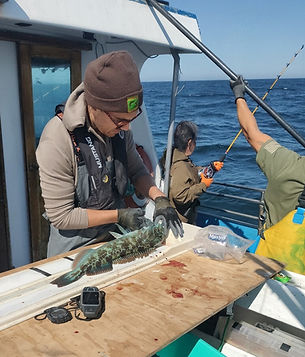
2025 - present: I am the quantitative marine ecologist for the Oregon Department of Fish and Wildlife (ODFW) on the Marine Reserves team where we study fish, invertebrates, and algae with multiple methodologies including, but not limited to, hook-and-line surveys, SCUBA surveys, and our SMURF collaboration with OSU. Projects span understanding the reserve effects on biodiversity and exploring climate resiliency.


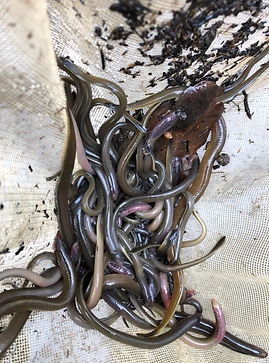
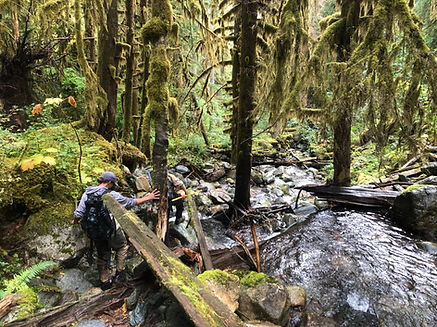
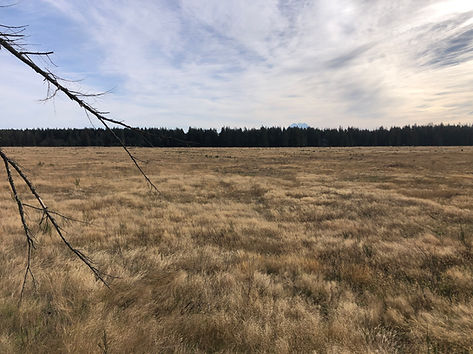
2023 - 2025: I was a Biologist with the USGS, where I developed models of anadromous fish populations, including salmon metapopulations and lamprey life cycles, and contributed to structured decision-making with Federal, State, and Tribal partners on endangered species issues involving salmon and pocket gophers.

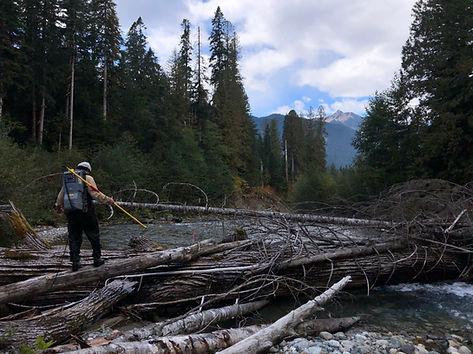
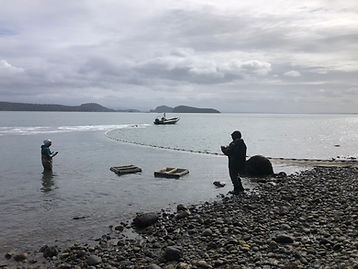


2021 - 2023: During my postdoc with NOAA Fisheries and Oregon State University I parameterized an end-to-end ecosystem model of the Northern California Current marine ecosystem, which allows us to capture many direct and indirect predator-prey interactions as we strive to understand the marine survival of endangered populations of Columbia River salmon. Through simulation, we are able to assess complex ecosystem dynamics after forcing perturbations such as climate change and alternative management scenarios.


.jpg)


2017 - 2021: For my PhD dissertation I used speaker arrays and solar equipment (weighing nearly 4 tons!) to experimentally create the soundscapes of whitewater rivers across a landscape. We then monitored bird, bat, and arthropod abundance, behavior, and predator-prey relationships (e.g. diets, foraging tests).


%20(1)%20(1).jpg)


2016: I was able to spend 3 months following baboon troops around Namibia with the Zoological Society of London's Tsaobis Baboon Project.


2015 - 2016: I spent a year in Germany on a Fulbright research grant studying how noise affects the echolocation capabilities of captive bats.


2014 - 2015: I was fortunate to spend a year in Panama at the Smithsonian Tropical Research Institute (STRI) studying the effects of noise on the predator-prey interactions of frog-eating bats.


2012 - 2014: I finished my undergraduate degree at the University of Montana, where I spent time working on beetle horn development with the Emlen Lab and exploring Montana's natural resources.

2010 - 2012: I started my academic journey at Cuesta Community College, where field trips to the mountains, deserts, and coasts of California inspired me to study ecology.